Summer is the perfect time to cool off with a swim at Splash Montana. If you wear hearing aids, you may wonder whether it’s safe to keep them on around the pool. The answer is that while today’s hearing aids are more durable than ever, they still require proper care when water is involved.
Even if your hearing aids have a high IP rating[1]—which measures their degree of waterproofness— you still need to be careful around water.
Many newer hearing aids can withstand accidental splashes, sweat or a sudden rain storm, but intentional underwater use is generally not recommended unless the manufacturer specifically says otherwise.
Tips for Protecting Your Hearing Aids Around Water
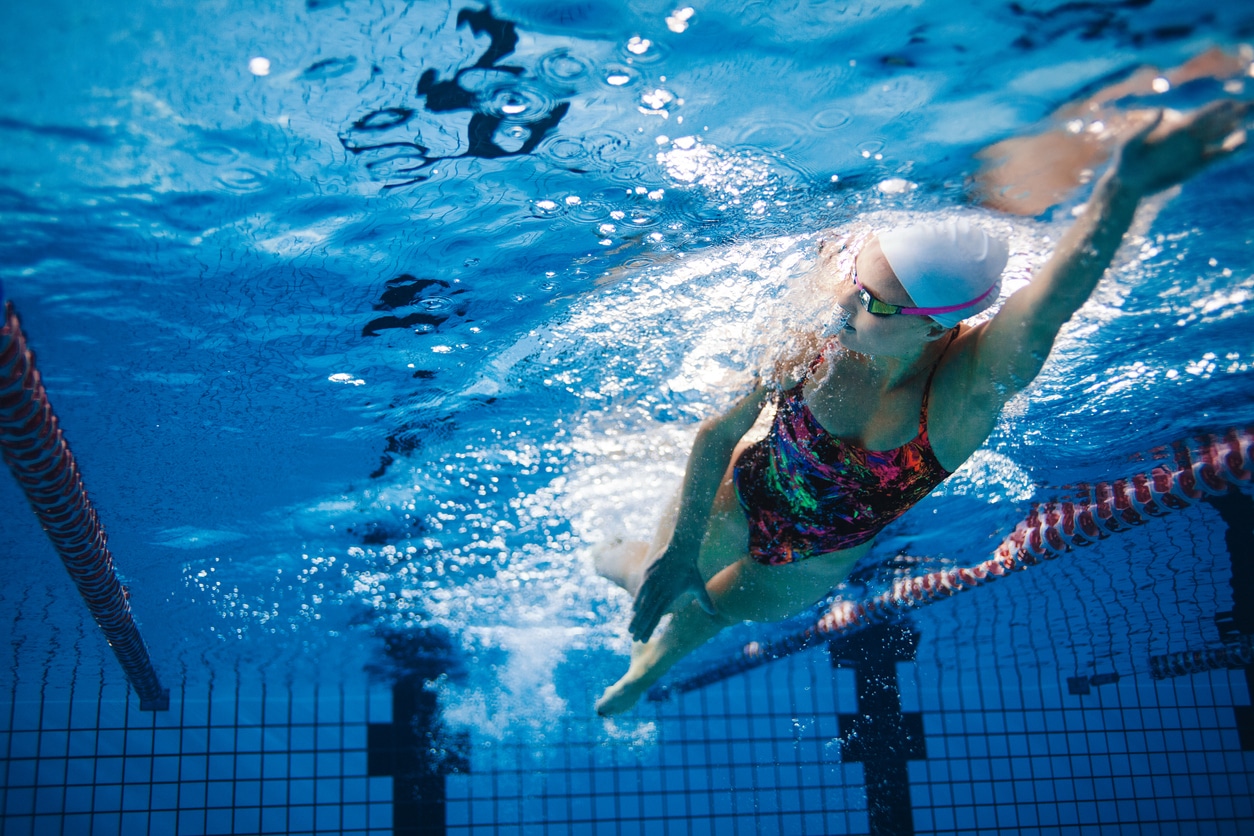
Follow these guidelines to protect your devices on pool days:
- Remove your hearing aids; tapping your ears before jumping in is a good reminder
- Store them in a protective case away from the pool’s edge
- Keep the storage case in a cool, shaded location
- Wait until your ears and hair are completely dry before putting your hearing aids back in
If you’ll be spending the day outdoors, remember that sunscreen, sweat and humidity can also affect hearing aids. Cleaning them nightly can help prevent damage.
What to Do If Your Hearing Aids Get Wet
If your hearing aids accidentally fall into the pool, take the following steps to prevent damage.
- Turn the hearing aids off immediately
- Remove disposable batteries if your devices use them
- Gently dry the exterior with a soft, lint-free cloth
- Allow the devices to dry completely using a hearing aid drying jar or electronic dehumidifier
- Replace the batteries only after the hearing aids are fully dry, usually the next day if you’re using a drying jar
Avoid using a hair dryer or any other direct heat source. Excessive heat can damage the sensitive electronic components of your devices.
Reach Out if You Notice Performance Issues
Modern hearing aids are built to handle everyday moisture better than ever before. Removing your devices before getting in the water and storing them properly is the best way to protect them while you splash around in the pool.
If your hearing aids produce distorted or low-volume sound, or stop working after exposure to water, it’s best to have one of our specialists check your devices for damage. Call Western Montana Hearing and Speech to schedule a service appointment.
[1] International Electrotechnical Commission. (2020). Ingress protection (IP) ratings guide. https://www.iec.ch/basecamp/ingress-protection-ip-ratings-guide